
Exploring the psychology behind casino behavior and player decisions

The Allure of Casinos: Understanding Attraction
Casinos are meticulously designed environments, intentionally crafted to attract and retain players. The combination of bright lights, vibrant colors, and the sounds of winning slots create an atmosphere that stimulates the senses. This sensory overload often triggers excitement and euphoria, drawing individuals into the gaming experience. From the moment players step inside, they are enveloped in an environment that encourages them to engage in games of chance, such as exploring casinos not on gamstop uk paypal for their preferred payment methods.

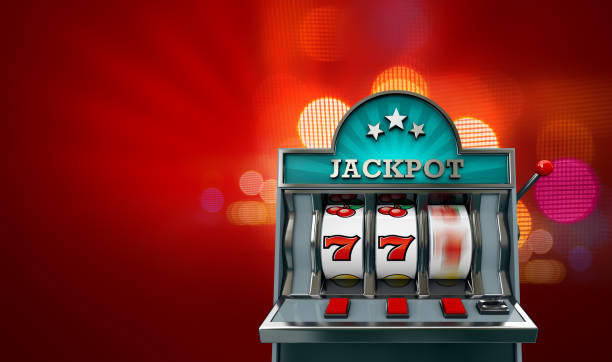
The psychological phenomenon of the “near miss” can also be a powerful motivator. When players come close to winning—hearing the jingle of coins or seeing the spinning reels stop just short of a jackpot—they often feel a rush of adrenaline that can lead to continued play. This near miss creates a psychological connection, convincing players that they were almost successful, thus prompting them to try again. Understanding these factors helps to explain why players are often drawn to casinos and how their decisions are influenced by the design of the space.
The Role of Cognitive Bias in Gambling Behavior
Cognitive biases significantly influence player decisions in casinos. One such bias is the “gambler’s fallacy,” where individuals believe that past outcomes affect future results. For instance, if a player observes a particular slot machine has not paid out recently, they may mistakenly think it is “due” for a win. This fallacy can lead to an overestimation of the odds, compelling players to continue betting in hopes of a reward that is fundamentally random. The strong allure of casino games makes it easy for players to fall into such reasoning.
Addiction also plays a key role in casinos. People with predispositions to addictive behaviors may find gambling particularly appealing, as it offers the thrill of risk and potential for reward. The brain reacts to gambling much like it does to substance abuse, releasing dopamine and creating a cycle of craving and reinforcement. This impact of cognitive biases and addictive tendencies elucidates why players make certain decisions, often against their better judgment, while navigating the challenges that come with gambling.
Social interactions greatly shape player behavior in casino settings. Many players enjoy the camaraderie found in communal gaming experiences, such as table games where interactions with dealers and fellow players are commonplace. This social element can enhance the enjoyment of gambling, making individuals more likely to engage for longer periods. Social reinforcement can lead to increased betting, as players may feel motivated to match the stakes of others around them. The thrill of participating in casino activities can be amplified within a group setting.
Furthermore, concepts such as “social proof” play a significant role; if a player observes others winning, they may perceive the game as more favorable and feel encouraged to participate. The dynamics of peer influence and observational learning contribute to decision-making processes, making casinos not merely places of solitary gambling but spaces where social interaction and environment directly impact player choices.
The Psychological Impact of Winning and Losing
The emotional highs and lows of gambling create a rollercoaster of experiences for players. Winning can trigger feelings of elation and confidence, while losses can lead to disappointment or frustration. These emotional responses can affect future betting behavior. A player who wins may feel invincible and increase their stakes, while someone who has lost might chase losses in an attempt to recoup their money, leading to potentially harmful gambling patterns. The psychological rollercoaster of gaming can profoundly affect one’s choices and actions.
Additionally, casinos often employ strategies to extend the positive feelings associated with winning. Complimentary drinks, rewards programs, and celebratory announcements can enhance the experience of winning while masking the reality of losses. This manipulation of emotions is a powerful tool, showcasing how casinos rely on psychological principles to influence player decisions and enhance their gambling experience.
Empowering Players with Informed Choices
For those interested in exploring various gambling options, our platform provides comprehensive reviews and insights into PayPal casinos not on GamStop. By understanding the psychological factors at play in casinos, players can make more informed decisions that enhance their gaming experience. Our evaluations focus on unbiased information, ensuring that users are equipped to navigate the vast world of online gaming safely and responsibly.
We prioritize providing a safe environment for players by adhering to strict editorial standards. By exploring our guide, players can enjoy flexible gaming options while utilizing trusted payment methods. Empowering players with knowledge allows for more enjoyable experiences, helping them to recognize the psychological impacts of their decisions while enjoying the thrill of gaming.