
Understanding the psychology behind casino game choices

The Allure of Casino Games
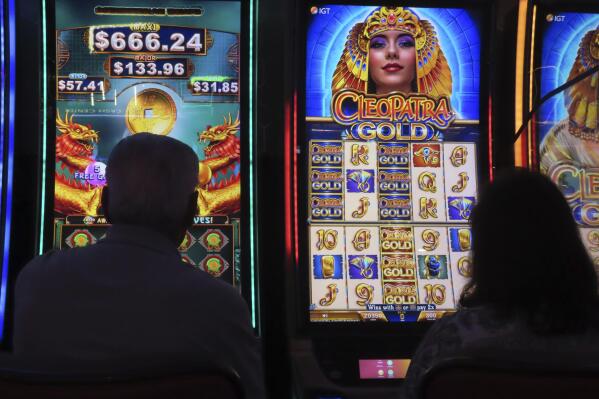
The psychology behind casino game choices is deeply rooted in human behavior and emotional triggers. Casinos are designed to create an engaging atmosphere that appeals to various psychological needs. The glittering lights, the sound of spinning reels, and the thrill of potential winnings all contribute to a stimulating environment that captivates players’ senses. This sensory overload not only draws players in but also heightens their emotional responses, leading them to make choices based on excitement rather than rational thought. Many players find themselves enticed by sweepstakes slots that promise excitement and fun, further enhancing their overall experience.
Moreover, the concept of near-misses plays a significant role in decision-making within the casino context. Players may perceive that they were close to winning, which can amplify their desire to continue playing. This phenomenon often leads to a cycle of engagement where the player feels compelled to make repeated bets in hopes of achieving that elusive win, reinforcing their commitment to specific games.
The Influence of Game Design
Game designers implement various psychological principles to attract players and influence their choices. Features such as colorful graphics, engaging themes, and immersive storylines are all tailored to create a compelling gaming experience. Additionally, the use of variable reinforcement schedules—where wins are unpredictable—keeps players on edge, encouraging them to keep playing in hopes of a big payout.
Social aspects also play a crucial role in game selection. Many players choose games that allow for interaction with others, whether at a physical table or through online platforms. This social component not only enhances the enjoyment of the game but also fosters a sense of community, making it more likely for players to return to their favorite games repeatedly.
Risk Perception and Game Choices
Risk perception significantly influences how individuals choose their casino games. Some players are drawn to high-risk, high-reward games like slot machines, while others prefer the calculated strategies involved in games like poker or blackjack. This difference in risk tolerance often correlates with personality traits; for example, more adventurous individuals may gravitate toward games that offer the thrill of chance, while those who are risk-averse may enjoy games that offer more control and strategy.
Additionally, cognitive biases such as the illusion of control can lead players to believe they can influence the outcome of a game, even in games like roulette or slots, where the results are entirely random. This belief can drive players towards certain games where they feel more empowered, further emphasizing the psychological dynamics at play in game selection.
Emotional Factors in Game Selection
Emotional states can heavily influence casino game choices. Players may engage in gambling as a form of escapism during times of stress, sadness, or boredom. Casinos often cater to these emotional needs by providing an environment that allows individuals to temporarily forget their troubles and immerse themselves in the thrill of the game.
Furthermore, emotions such as excitement, anticipation, and even disappointment can impact a player’s decision to continue or switch games. A player who is feeling particularly optimistic may be more inclined to try a new game, while one experiencing frustration may choose to return to a familiar option in hopes of regaining their lost winnings.
Security and Responsible Gaming
Understanding the psychology behind casino game choices also extends to the importance of security and responsible gaming practices. Many websites prioritize providing robust security solutions, ensuring that players can engage safely in their chosen games. This sense of safety can enhance the gaming experience, allowing players to focus more on enjoyment rather than worrying about potential threats.
Responsible gaming initiatives are crucial in promoting a healthy relationship with gambling. By encouraging players to be aware of their emotions and choices, casinos can help mitigate negative outcomes associated with gambling. Ultimately, understanding the psychology behind game choices not only improves the gaming experience but also emphasizes the need for a secure and supportive environment for all players.